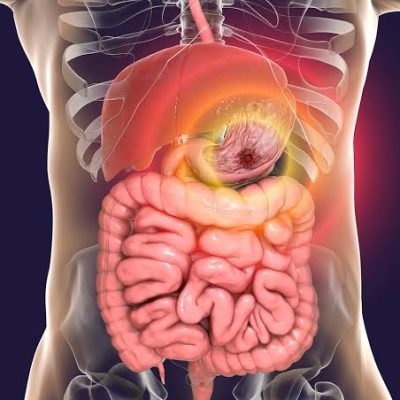
Expert Revenue Cycle Management for Gastroenterology Practices

Deliver advanced digestive care billing support with precision built for gastroenterology workflows. We help GI practices, endoscopy centers, and digestive health specialists improve reimbursements through accurate coding, proper handling of screening and diagnostic procedures, and proactive denial management. Our focus is on reducing revenue leakage across colonoscopy, EGD, and advanced endoscopic services while ensuring full compliance with payer rules, modifiers, and authorization requirements.

gastroenterology

99%
First-Pass Claim Rate

Industry avg. is 95%

500+
Providers Nationwide

Across all 50 states

24
Avg. A/R Days

Down from 52+ for most clients

20% to 25%
Avg. Revenue Increase

Within 90 days of launch

Gastroenterology Specialties We Support

From routine colonoscopy to advanced therapeutic endoscopy, ProvidaRCM delivers specialty-specific billing for every corner of digestive health. Each subspecialty carries its own coding architecture, documentation requirements, payer policies, and reimbursement nuances — and our teams are credentialed and trained for all of them.

General Gastroenterology
Comprehensive billing for office-based GI practices managing GERD, dyspepsia, IBS, celiac disease, and functional GI disorders. We handle complex E/M coding, chronic care management (CCM/TCM), and the documentation requirements that drive appropriate level-of-service reimbursement for digestive complaints.
CPT 99202–99215 · 99490 · 99491
Colonoscopy Screening
End-to-end billing for average-risk and high-risk screening colonoscopies, including proper use of Z-codes, PT and 33 modifiers, and cost-sharing navigation under the ACA and Medicare preventive rules.
CPT 45378 · 45380 · 45385
Upper Endoscopy (EGD)
Diagnostic and therapeutic EGD billing covering biopsies, dilation, band ligation, stent placement, and PEG tube insertion — with attention to indication specificity and global period rules.
CPT 43235–43259
ERCP
Advanced therapeutic biliary and pancreatic procedures with complex bundling rules and high-value reimbursement.
CPT 43260–43265
Endoscopic Ultrasound (EUS)
Diagnostic and FNA-guided EUS billing with technical and professional component separation.
CPT 43231 · 43242
Hepatology
Liver disease management including cirrhosis, hepatitis B/C, NASH, and transplant evaluation billing.
CPT 99214–99215 · TIPS
IBD Clinics
Crohn's and ulcerative colitis billing including biologic infusions, therapeutic drug monitoring, and specialty pharmacy coordination.
CPT 96365 · 96374 · 96375
Colorectal Disease
Surgical and non-surgical colorectal billing including hemorrhoid procedures, fissure management, and post-polypectomy surveillance.
CPT 46221 · 46940
Digestive Disease Clinics
Multi-provider digestive health centers with integrated diagnostic, therapeutic, and chronic disease management workflows.
Multi-specialty billing
Ambulatory Surgery Centers
ASC facility and professional billing for GI endoscopy suites, including anesthesia coordination, pathology, and device-intensive procedures.
Facility + Professional

Gastroenterology Revenue Challenges

GI billing is one of the most technically demanding specialties in medicine. Small coding errors cascade into large revenue losses, and payer policies shift constantly. These are the challenges we solve every day for our GI partners.

01
Screening vs. Diagnostic Colonoscopy
The single largest source of GI denials. A screening colonoscopy that finds a polyp becomes diagnostic mid-procedure, triggering different CPT codes, modifiers (PT, 33), and patient cost-sharing rules. Misclassification leads to patient balance disputes and payer recoupments.
High Denial Risk
02
Medical Necessity Documentation
Payers require ICD-10 codes that precisely justify each procedure. Surveillance colonoscopy for personal history of polyps (Z86.010) versus family history (Z80.0) versus average-risk screening (Z12.11) each carry different coverage rules. Incomplete documentation triggers medical necessity denials across commercial and Medicare lines.
Audit Exposure
03
Documentation Specificity
GI procedures demand granular documentation: polyp size, location, morphology (Paris classification), removal technique (snare, forceps, EMR, ESD), and number of lesions. Missing details downgrade reimbursement or trigger post-payment audits, particularly for advanced endoscopy and EMR/ESD procedures.
Downcoding Risk
04
Prior Authorization Complexity
ERCP, EUS with FNA, capsule endoscopy, biologic therapy (infliximab, ustekinumab, vedolizumab), and advanced therapeutic procedures require prior authorization from most commercial payers. Missed or expired authorizations result in 100% claim denial with limited appeal pathways.
100% Denial if Missed
05
Bundling and NCCI Edits
National Correct Coding Initiative edits govern which GI procedures can be billed together. EGD with biopsy is bundled into EGD with ablation; colonoscopy with polypectomy bundles the diagnostic component. Modifier 59 or XS must be applied correctly — or not at all — to avoid bundling denials or audit flags.
NCCI Compliance
06
Medicare Preventive Coverage Rules
Medicare covers screening colonoscopy every 120 months (240 months for low-risk) and 12 months for high-risk patients. Surveillance intervals after polypectomy follow task force guidelines that differ from screening intervals. Misaligned scheduling triggers non-covered service denials.
Frequency Limits
07
Commercial Payer Policy Variance
Each commercial payer has its own LCD, medical policy, and prior auth requirements for GI procedures. UnitedHealthcare, Aetna, Cigna, BCBS, and Humana all differ on surveillance intervals, polypectomy bundling, and anesthesia coverage for screening colonoscopy. Tracking these variations requires dedicated payer intelligence.
Payer-Specific Rules
08
Pathology Coordination
GI biopsies generate separate pathology claims that must align with the procedural claim. Missing or mismatched pathology billing leaves revenue on the table, while duplicate or uncoordinated billing triggers payer audits. Coordination between GI practice and reference lab is essential.
Revenue Leakage
09
Anesthesia Coordination
Propofol-based anesthesia for colonoscopy and EGD requires separate billing by the anesthesia provider, but payer policies on medical necessity vary. Some payers require documented anesthesia risk factors; others deny anesthesia for screening procedures entirely. Coordination between GI, anesthesia, and facility is critical.
Coordination Required

Gastroenterology Billing Insights

Our GI billing teams uncover revenue opportunities that generic billers miss. These are the high-impact areas where specialty expertise translates directly into recovered revenue and reduced denials.

01
Revenue Opportunities in Advanced Endoscopy
EMR, ESD, POEM, and EUS-guided interventions carry significantly higher reimbursement than standard endoscopy — but only when documented and coded correctly. Many GI practices undercode these procedures by 20-35% due to unfamiliarity with the CPT architecture. We audit every advanced case to ensure appropriate level capture.
02
Preventable Denials Through Front-End Precision
Seventy percent of GI denials originate before the claim is submitted: eligibility errors, missing prior auth, incorrect modifier application, or screening/diagnostic misclassification. Our front-end workflow intercepts these issues at scheduling and registration, preventing denials rather than working them after the fact.
03
Underpayment Recovery Through Contract Analysis
Payers routinely underpay GI claims by misapplying fee schedules, ignoring modifier adjustments, or applying incorrect bundling logic. We benchmark every payment against contracted rates and file underpayment appeals systematically. For our GI clients, this typically recovers 3-6% of net collections that would otherwise go unnoticed.
04
Documentation Accuracy Drives Reimbursement
GI documentation gaps — missing polyp count, incomplete lesion descriptions, absent indication specificity — directly reduce reimbursement and increase audit risk. We provide real-time documentation feedback to providers, closing gaps before claims submit and building a defensible audit trail for every procedure.

Every Gastroenterology Denial Type. Every Fix.

We have mapped every denial pattern that impacts GI practices and built systematic workflows to prevent, work, and resolve each one. These are the denial categories we manage daily — with root-cause correction built into every engagement.

Screening
Screening Colonoscopy Denials
Claims denied when screening colonoscopy converts to diagnostic due to polyp finding, or when preventive modifiers are missing.
Financial Impact
$1,200–$2,800 per denied claim
ProvidaRCM Solution
Pre-procedure eligibility verification confirms screening status. Operative note review triggers automatic PT/33 modifier application when polypectomy occurs. Real-time cost-sharing estimates prevent patient balance disputes.
Modifier
Modifier Application Errors
Incorrect or missing modifiers (25, 59, PT, 33, XS, XE) trigger bundling denials, duplicate service rejections, and preventive service misclassification.
Financial Impact
$400–$1,500 per claim
ProvidaRCM Solution
Automated modifier logic engine validates every claim against NCCI edits and payer-specific policies before submission. Certified GI coders review complex cases to ensure modifier accuracy.
Necessity
Medical Necessity Denials
ICD-10 codes do not support the procedure performed, or documentation fails to establish clinical rationale for the service rendered.
Financial Impact
$600–$3,200 per claim
ProvidaRCM Solution
Pre-claim code validation cross-references ICD-10 against LCD and payer medical policies. Documentation templates guide providers to capture indication-specific details that support medical necessity.
Documentation
Documentation Deficiencies
Incomplete operative notes — missing polyp size, location, morphology, or removal technique — trigger downcoding or post-payment recoupment.
Financial Impact
15–30% reimbursement reduction
ProvidaRCM Solution
Real-time documentation audits flag incomplete notes before claim submission. Provider feedback loops close recurring gaps. We maintain specialty-specific documentation checklists for every GI procedure.
Authorization
Prior Authorization Denials
Procedures performed without valid prior authorization, or with expired authorization numbers, are denied at 100% with limited appeal rights.
Financial Impact
100% claim value loss
ProvidaRCM Solution
Dedicated authorization team tracks every scheduled procedure against payer requirements. Authorization status is verified 48 hours before service and attached to the claim at submission.
Bundling
Bundling and NCCI Denials
Multiple procedures billed without appropriate modifiers trigger NCCI edit denials, or procedures are bundled into a single payment when they should be separately reimbursable.
Financial Impact
$800–$2,400 per claim
ProvidaRCM Solution
Claims scrubber applies current NCCI edits and payer-specific bundling rules. When distinct procedural services are documented, modifier 59 or XS is applied with supporting documentation to override bundling.
Duplicate
Duplicate Claim Denials
Same service billed twice on same date of service, or pathology and professional claims submitted without coordination, triggering duplicate rejections.
Financial Impact
Delayed payment 30–60 days
ProvidaRCM Solution
Duplicate detection logic identifies potential duplicates before submission. Pathology and professional billing are coordinated through shared tracking systems to prevent overlap.
Timely Filing
Timely Filing Denials
Claims submitted after payer-specific timely filing limits (90 days for most commercial payers, 12 months for Medicare) are denied with no appeal pathway.
Financial Impact
100% write-off required
ProvidaRCM Solution
Automated aging alerts flag claims approaching timely filing deadlines. Daily submission cycles ensure claims are transmitted within 48 hours of service. Timely filing limits are tracked by payer in our billing platform.
Mismatch
ICD-10 and CPT Mismatch
Diagnosis codes do not align with procedure codes — for example, screening Z-code billed with therapeutic procedure, or unrelated diagnosis supporting advanced endoscopy.
Financial Impact
$500–$2,000 per claim
ProvidaRCM Solution
Crosswalk validation ensures every CPT code is supported by appropriate ICD-10 codes. GI-specific code pairing rules are built into our claims scrubber to catch mismatches before submission.

Common Gastroenterology CPT Codes

These are the high-volume CPT codes our GI billing teams code and submit daily. Each carries specific documentation requirements, bundling rules, and modifier considerations that must be applied correctly to maximize reimbursement.

CPT Code Procedure Description Clinical Use & Billing Notes
45378 Diagnostic colonoscopy, flexible; including collection of specimen(s) by brushing or washing Base screening or diagnostic colonoscopy. When polyp found, upcode to 45380, 45384, or 45385 based on removal technique. Always pair with appropriate Z-code or diagnosis.
45380 Colonoscopy with biopsy, single or multiple Used when forceps biopsy performed. Do not bill with 45378. Biopsy of polyp without removal is 45380; snare removal is 45385.
45385 Colonoscopy with removal of lesion by snare technique Polypectomy via snare. Most common therapeutic colonoscopy code. Document polyp size, location, and morphology. Multiple polyps removed by snare = single 45385.
45384 Colonoscopy with ablation of tumor, polyp, or other lesion Used for ablation techniques (argon plasma coagulation, electrocautery). Do not bill with 45385 if snare used for same lesion.
45392 Colonoscopy with directed submucosal injection, any method Often billed with 45385 for EMR procedures. Add-on code for submucosal lift. Document injection agent and technique.
43239 EGD, flexible, transoral; with biopsy, single or multiple Diagnostic EGD with biopsy. Used for celiac, H. pylori, eosinophilic esophagitis, Barrett's surveillance. Do not bill with 43235.
43249 EGD with balloon dilation of esophagus Therapeutic EGD for stricture dilation. Document stricture location, diameter, and balloon size. May require prior auth.
43251 EGD with band ligation of varices Used for esophageal variceal banding in cirrhosis patients. High-value procedure. Document variceal grade and number of bands placed.
43231 EGD with endoscopic ultrasound examination Diagnostic EUS without FNA. Professional and technical components often split. Document layers examined and findings.
43242 EUS with transesophageal fine needle aspiration EUS-guided FNA of pancreatic, mediastinal, or GI lesions. High-value procedure. Document needle passes, specimens obtained, and rapid on-site evaluation if performed.
43262 ERCP with stent placement Therapeutic ERCP for biliary or pancreatic stenting. Complex procedure with high reimbursement. Document stent type, size, and location.
43263 ERCP with sphincterotomy Biliary or pancreatic sphincterotomy during ERCP. Often billed with stone extraction or stent placement. Document sphincterotomy location and technique.
91035 Capsule endoscopy, esophagus PillCam ESO for Barrett's surveillance or variceal screening. Requires separate interpretation. Document capsule ingestion and reading time.
91110 Capsule endoscopy, small intestine with interpretation PillCam SB for obscure GI bleeding, Crohn's evaluation. High-value procedure. Document capsule transit time and findings by segment.
44388 Enteroscopy, therapeutic; with ablation Deep enteroscopy for small bowel lesion ablation. Advanced procedure requiring specialized training. Document enteroscope type and depth of insertion.

Common Gastroenterology ICD-10 Codes

Accurate diagnosis coding is the foundation of GI reimbursement. These codes drive medical necessity, determine screening versus diagnostic classification, and must align precisely with procedure codes to avoid denials.

ICD-10 Code Diagnosis Description Typical Use in GI Billing
Z12.11 Encounter for screening for malignant neoplasm of colon Average-risk screening colonoscopy. Use with CPT 45378. No symptoms or history required.
Z86.010 Personal history of colonic polyps Surveillance colonoscopy after prior polypectomy. Determines 3-5 year surveillance interval.
Z80.0 Family history of malignant neoplasm of digestive organs High-risk screening colonoscopy. May qualify for earlier or more frequent screening.
K21.0 Gastro-esophageal reflux disease with esophagitis GERD with documented esophagitis. Supports EGD for evaluation of refractory symptoms or Barrett's screening.
K50.90 Crohn's disease, unspecified, without complications IBD management. Supports colonoscopy for disease assessment, biopsies, and surveillance. Specify location and complications when possible.
K51.90 Ulcerative colitis, unspecified, without complications UC management. Supports surveillance colonoscopy starting 8 years after diagnosis. Specify extent and severity.
K57.92 Diverticulitis of intestine, part unspecified, without perforation or abscess Acute diverticulitis. Supports CT-guided management. Colonoscopy deferred 6-8 weeks after resolution.
K74.60 Unspecified cirrhosis of liver Cirrhosis management. Supports EGD for variceal screening, hepatology visits, and transplant evaluation.
K80.20 Calculus of gallbladder without cholecystitis Cholelithiasis. Supports GI consultation, ultrasound review, and surgical referral coordination.
D12.6 Benign neoplasm of colon Post-polypectomy surveillance. Use when polyp pathology confirms benign adenoma. Determines surveillance interval.
C18.9 Malignant neoplasm of colon, unspecified Colorectal cancer diagnosis. Supports staging workup, surveillance, and coordination with oncology.
B18.2 Chronic viral hepatitis C Hepatitis C management. Supports hepatology visits, fibrosis assessment, and treatment monitoring.
K76.0 Fatty (change of) liver, not elsewhere classified NASH/NAFLD diagnosis. Supports lifestyle counseling, fibrosis assessment, and hepatology referral.
K92.2 Gastrointestinal hemorrhage, unspecified GI bleeding. Supports emergent EGD or colonoscopy. Specify upper vs. lower when possible for accurate coding.
K58.9 Irritable bowel syndrome without diarrhea IBS-C or IBS-M. Supports diagnostic workup to exclude organic disease. Often requires colonoscopy for diagnosis of exclusion.

Common Gastroenterology Modifiers

Modifiers communicate critical information to payers about how services were performed. In GI billing, modifier errors are among the most common denial triggers. These are the modifiers our teams apply daily with precision.

Modifier Description Common GI Usage Denial Risk
25 Significant, separately identifiable E/M service Billed with office E/M when distinct from procedure decision. Required when E/M occurs same day as minor procedure (colonoscopy, EGD) and is separately documented. High
26 Professional component Used when physician interprets diagnostic test (pathology, imaging) but does not own equipment. Common in EUS, capsule endoscopy, and pathology services. Medium
33 Preventive services Applied to screening colonoscopy to indicate preventive service under ACA. Ensures no patient cost-sharing for average-risk screening. High
51 Multiple procedures Indicates multiple procedures performed same session. Second and subsequent procedures may be reduced 50%. Used when multiple distinct endoscopic procedures performed. Medium
52 Reduced services Used when procedure partially reduced or discontinued at physician's discretion. Document reason for reduction. Reimbursement adjusted accordingly. Medium
53 Discontinued procedure Procedure discontinued due to patient risk. Common when colonoscopy cannot complete due to poor prep, patient intolerance, or anatomical barriers. Medium
59 Distinct procedural service Overrides NCCI bundling edits when procedures are distinct by site, session, or procedure. Use sparingly and document distinctiveness. Payers scrutinize heavily. High
PT Colorectal cancer screening test turned diagnostic Critical GI modifier. Applied when screening colonoscopy becomes diagnostic due to polyp finding. Limits patient cost-sharing under Medicare and many commercial plans. High
TC Technical component Used when facility provides equipment and technical support but physician interprets. Common in hospital-based GI services and pathology. Low

Prior Authorization Challenges

GI procedures carry some of the most complex prior authorization requirements in medicine. Missing or expired authorizations result in 100% claim denials with limited appeal rights. We manage authorization for every high-risk procedure.

ERCP Procedures
Most commercial payers require prior auth for ERCP. We submit clinical documentation including indication, imaging results, and lab values to support medical necessity. Authorization tracked and attached to claim.
EUS with FNA
Endoscopic ultrasound with fine needle aspiration requires detailed clinical justification. We coordinate with referring physicians to ensure imaging and lab work support the request before submission.
Capsule Endoscopy
PillCam requires documentation of prior negative EGD and colonoscopy, ongoing obscure GI bleeding, or suspected small bowel pathology. We compile complete clinical history to support authorization.
Advanced Endoscopic Procedures
POEM, ESD, and deep enteroscopy require specialized authorization. We document physician training, facility capabilities, and clinical indication to support approval for these high-complexity procedures.
Biologic Therapy
Infliximab, ustekinumab, vedolizumab, and risankizumab require prior auth with documentation of failed conventional therapy, disease severity scores, and treatment history. We manage reauthorization cycles.
Hepatitis Treatment
Direct-acting antivirals for hepatitis C require prior auth with genotype, fibrosis stage, and treatment history. We coordinate with specialty pharmacies to ensure authorization and medication access.
Infusion Therapy
Iron infusion, Remicade, and other GI infusion therapies require authorization with diagnosis, lab values, and treatment plan. We track infusion schedules and manage recurring authorization requirements.
Authorization Tracking
Every authorized procedure is tracked in our system with expiration dates, visit limits, and renewal requirements. Automated alerts ensure no procedure proceeds without valid authorization.

Gastroenterology Revenue Leakage

GI practices lose 8-15% of potential revenue to preventable billing errors, missed opportunities, and unworked denials. We identify and seal every leak in the revenue cycle through systematic auditing and process optimization.

Missing Modifiers
Modifier 25, PT, 33, and 59 errors leave 5-12% of GI revenue uncollected. We audit every claim for modifier accuracy and file corrected claims to recover underpayments.
Screening Coding Errors
Screening colonoscopies coded as diagnostic trigger patient cost-sharing and denials. We implement front-end workflows to capture correct screening status at scheduling.
Underpayments
Payers routinely underpay GI claims by 3-8% through fee schedule errors and incorrect bundling. We benchmark every payment against contracts and file underpayment appeals.
Documentation Problems
Incomplete operative notes trigger downcoding and audit recoupments. We provide real-time documentation feedback and maintain specialty-specific checklists for every GI procedure.
Missed Authorizations
Procedures performed without prior auth result in 100% denial. We track every scheduled procedure against payer requirements and verify authorization status 48 hours before service.
Unworked Denials
GI practices write off 15-25% of denials without appeal. We work every denial with specialty-specific appeal letters and root-cause correction to prevent recurrence.
Bundling Errors
NCCI edits bundle distinct GI procedures, reducing reimbursement. We identify when modifier 59 or XS is appropriate and document distinctiveness to override bundling.
Timely Filing Misses
Claims submitted after payer deadlines are denied with no appeal. We implement daily submission cycles and automated aging alerts to ensure every claim files within limits.
Pathology Coordination
GI biopsies generate separate pathology claims that must align with procedural claims. We coordinate with reference labs to prevent duplicate billing and ensure all pathology is captured.

Complete Gastroenterology Billing Services

We provide end-to-end revenue cycle management for GI practices, from patient scheduling through final reimbursement. Every service is delivered by GI-specialized teams with deep expertise in digestive health billing.

Insurance Verification
Comprehensive eligibility and benefits verification before every GI appointment. We confirm coverage, copays, deductibles, and screening versus diagnostic status to prevent downstream denials.
Real-time eligibility checks
Benefits investigation
Cost-sharing estimates
Benefits Investigation
Detailed benefits analysis for GI procedures including screening colonoscopy cost-sharing rules, out-of-network provisions, and high-deductible health plan navigation.
Preventive service coverage
Out-of-network analysis
Patient responsibility estimates
Prior Authorization
Complete authorization management for ERCP, EUS, capsule endoscopy, biologic therapy, and advanced endoscopic procedures. We track expiration dates and manage reauthorizations.
Clinical documentation
Authorization tracking
Renewal management
GI-Specialized Coding
Certified coders with GI expertise code every procedure with precision. We stay current on CPT changes, NCCI edits, and payer-specific policies to maximize compliant reimbursement.
CPC and CCS certified
Annual GI coding updates
NCCI compliance
Claims Submission
Daily claim submission with comprehensive scrubbing for GI-specific edits. We ensure every claim is clean before transmission to minimize rejections and accelerate payment.
Daily submission cycles
GI-specific edits
Rejection prevention
Denial Management
Systematic denial workup with GI-specialized appeal letters. We identify root causes, implement corrective actions, and work every denial to resolution with detailed tracking.
Root-cause analysis
Specialty appeal letters
Denial trend reporting
A/R Follow-Up
Proactive accounts receivable follow-up on all GI claims aging beyond 30 days. We contact payers, resolve outstanding issues, and accelerate cash flow through persistent follow-up.
30-day follow-up triggers
Payer contact management
Aging reduction
Payment Posting
Accurate payment posting with detailed adjustment analysis. We identify underpayments, incorrect adjustments, and missed secondary billing opportunities to maximize collections.
ERA/EOB processing
Underpayment detection
Secondary billing
Reporting & Analytics
Comprehensive GI-specific reporting including denial trends, payer performance, procedure volume, and revenue metrics. Monthly reviews with actionable insights to optimize your revenue cycle.
Custom dashboards
Monthly performance reviews
Benchmarking data

Gastroenterology Credentialing

We manage complete credentialing and payer enrollment for GI providers and practices. From initial application to ongoing maintenance, we ensure you are properly credentialed with every payer to maximize reimbursement opportunities.

Medicare Enrollment
Complete Medicare enrollment including PECOS application, specialty designation, and facility privileging. We handle initial enrollment, revalidation, and change of ownership scenarios.
Medicaid Enrollment
State-specific Medicaid enrollment for GI providers. We navigate varying state requirements, manage applications, and ensure ongoing compliance with Medicaid program rules.
Commercial Payers
Enrollment with UnitedHealthcare, Aetna, Cigna, BCBS, Humana, and all major commercial payers. We manage applications, follow up on status, and negotiate contracts when needed.
CAQH Management
Complete CAQH profile management including initial attestation, quarterly re-attestation, and document uploads. We ensure your profile is always current and ready for payer applications.
ASC Credentialing
Ambulatory surgery center credentialing including facility accreditation, Medicare certification, and commercial payer enrollment. We manage the complex ASC enrollment process end-to-end.
Group Enrollment
Group practice enrollment with all payers including TIN/NPI setup, group applications, and provider roster management. We ensure all providers are properly enrolled under the group.

Why Generic Billing Companies Struggle with GI

Gastroenterology billing is not general billing. The complexity of endoscopic procedures, screening versus diagnostic rules, and advanced therapeutic coding requires specialty-specific expertise that generic billers simply do not possess.

Generic Billing Companies
One-Size-Fits-All Approach Creates GI Revenue Problems
No understanding of screening vs. diagnostic colonoscopy rules
Incorrect modifier application (PT, 33, 25, 59)
Missed prior authorization requirements for advanced procedures
Unfamiliarity with NCCI bundling edits for GI procedures
Cannot navigate complex ERCP, EUS, and advanced endoscopy coding
High denial rates (15-25%) due to GI-specific errors
No pathology or anesthesia coordination
ProvidaRCM GI Specialists
Specialty Expertise Drives GI Revenue Optimization
Deep expertise in screening vs. diagnostic colonoscopy classification
Precise modifier application with GI-specific logic
Comprehensive prior authorization management for all GI procedures
Expert navigation of NCCI edits and bundling rules
Advanced endoscopy coding expertise (ERCP, EUS, EMR, ESD, POEM)
Low denial rates (3-5%) through proactive error prevention
Complete pathology and anesthesia coordination

Gastroenterology Revenue Cycle, End-to-End

Our GI revenue cycle process spans from patient scheduling through final reimbursement and reporting. Every step is optimized for digestive health billing with specialty-specific workflows at each stage.

Step 01
Patient Scheduling & Eligibility
Insurance verification at scheduling confirms coverage, benefits, and screening status. Prior authorization requirements identified and initiated for applicable procedures.
Step 02
Prior Authorization & Documentation
Authorization obtained for applicable procedures. Documentation templates guide providers to capture procedure-specific details that support medical necessity and appropriate coding.
Step 03
Procedure & Charge Capture
GI-specialized coders review operative notes and capture all procedures performed. Polypectomy techniques, lesion characteristics, and therapeutic interventions documented for accurate coding.
Step 04
Coding & Claims Scrubbing
CPT and ICD-10 codes assigned with appropriate modifiers. Claims scrubbed against NCCI edits, payer-specific policies, and GI-specific logic to prevent denials before submission.
Step 05
Claims Submission
Clean claims submitted daily to all payers. Electronic submission with real-time rejection monitoring. Authorization numbers and supporting documentation attached to claims.
Step 06
Denial Management & Appeals
Denials worked systematically with GI-specialized appeal letters. Root-cause analysis identifies patterns and drives corrective action. Every denial worked to resolution with detailed tracking.
Step 07
Payment Posting & Reconciliation
Payments posted with detailed adjustment analysis. Underpayments identified and appealed. Secondary claims submitted automatically. Cash application reconciled daily.
Step 08
Reporting & Continuous Improvement
Comprehensive GI-specific reporting delivered monthly. Denial trends, payer performance, procedure volume, and revenue metrics analyzed. Actionable insights drive continuous optimization.

In-House Billing vs. ProvidaRCM

Compare the capabilities, costs, and outcomes of in-house GI billing versus partnering with ProvidaRCM. Most GI practices discover that outsourcing to specialty experts delivers superior results at lower total cost.

Capability In-House Billing ProvidaRCM
GI Coding Expertise Limited to staff knowledge; high turnover risk Certified GI coders with continuous education
Denial Rate 15-25% typical for general billers 3-5% through proactive error prevention
Days in A/R 45-60 days average 28-35 days through aggressive follow-up
Technology Investment $50K-$150K annual software costs Enterprise platforms included in service
Staffing Costs $250K-$500K+ annually (salaries, benefits, training) Predictable percentage of collections
Scalability Limited by staff capacity Scales instantly with volume changes
Payer Intelligence Manual tracking, incomplete Comprehensive payer policy database
Compliance & Audits Self-managed, high risk Built-in compliance monitoring
Reporting & Analytics Basic reports, manual compilation Real-time dashboards, monthly reviews
Continuity Vulnerable to staff turnover Dedicated team with backup coverage

Free Gastroenterology Billing Audit

Discover where revenue is leaking from your GI practice. Our complimentary billing audit provides a comprehensive analysis of your current revenue cycle performance, identifies immediate recovery opportunities, and delivers actionable recommendations to optimize your GI billing operations.

Revenue performance analysis
Denial pattern identification
Coding accuracy review
A/R aging assessment
Recovery opportunity quantification
Customized improvement roadmap

What's Included in Your Audit

  • Comprehensive review of your last 90 days of GI claims
  • Denial analysis with root-cause identification
  • Coding accuracy assessment for colonoscopy, EGD, and advanced procedures
  • Modifier application review (PT, 33, 25, 59)
  • A/R aging analysis with collection probability assessment
  • Underpayment detection and recovery quantification
  • Benchmarking against GI industry standards
  • Prior authorization compliance review
  • Documentation quality assessment
  • Customized recommendations with implementation timeline

Gastroenterology Case Studies

Real results from real GI practices. These examples demonstrate how our specialty expertise translates into measurable revenue improvement, denial reduction, and operational efficiency for gastroenterology providers.

"
Independent GI Practice
4-Provider Gastroenterology Practice Transforms Revenue Cycle
A busy independent GI practice with 4 physicians was struggling with 22% denial rates and 58 days in A/R. Screening vs. diagnostic coding errors and missed modifiers were creating significant revenue leakage. After partnering with ProvidaRCM, denials dropped to 4.8% and days in A/R improved to 32 days.
78%
Denial Reduction
45%
Faster Collections
"
Endoscopy Center
Multi-Specialty ASC Optimizes Endoscopy Reimbursement
A high-volume endoscopy center performing 8,000+ procedures annually was leaving revenue on the table through undercoding and missed advanced procedure opportunities. Our GI coding team identified $340,000 in annual undercoding and implemented documentation improvements that increased average reimbursement per procedure by 12%.
$340K
Annual Recovery
12%
Reimbursement Increase
"
Multi-Provider Digestive Health Clinic
Digestive Health Clinic Streamlines Multi-Location Operations
A 12-provider digestive health clinic across 3 locations was managing billing inconsistently, with denial rates varying from 12% to 28% by location. ProvidaRCM implemented standardized GI billing workflows, centralized prior authorization, and unified reporting. All locations now perform at 95%+ first-pass resolution rates.
95%+
First-Pass Rate
67%
Operational Efficiency

National Coverage, Local Expertise

ProvidaRCM serves gastroenterology practices across all 50 states. Our national reach combined with deep payer knowledge ensures your GI practice receives expert billing support regardless of location.

All 50 States
We serve GI practices in every state with knowledge of regional payer variations and state-specific Medicaid requirements.
Payer Intelligence
Comprehensive database of commercial payer policies, Medicare LCDs, and Medicaid rules for GI procedures across all regions.
Credentialing Support
Complete credentialing and payer enrollment services for GI providers nationwide, including Medicare, Medicaid, and all commercial payers.
Regulatory Compliance
HIPAA-compliant operations with continuous monitoring of regulatory changes affecting GI billing, coding, and documentation requirements.